

thank you so much for your message!
I am so excited to chat with you really soon.
in the meantime, visit my blog + let’s get learning.

Nerves and anxiety on competition day are entirely normal. Wanting to PB your total on the platform — also entirely normal. While heading in to a competition with big goals and dreams and plenty of nerves to accompany those are almost entirely universal experiences, our ability manage and channel those emotions vary a stack. It can be the difference between a stellar performance and shitting the bed.
I talk about competition day psychology with my team a lot. And while each lifter experiences competition day differently and comes to sporting competition with their own lived experiences, many of the challenges they experience are much the same. Many I have lived before too.

This year will be my eighth year competing in powerlifting. Eight years of this niche sport. I’m not elite, I don’t get paid, I compete entirely recreationally. And still, I see so much value in pouring a stack of my time, effort and energy in to participating. I derive a huge amount of enjoyment and fulfilment from powerlifting, which has only increased over my years of involvement.
So here are four reasons why I still compete in powerlifting after all these years (and admittedly after numerous claims of retirement).

I’ll be the first person to tell you that my love for lifting has been tested at times; that showing up has gotten hard, many times over. But even so, I have consistently resistance trained for over ten years now. A few breaks for travel, but otherwise 3-4 days per week for the last ten years.
I’ve not always trained extremely hard, I’ve not always trained for a heap of hours at a time, and lifting has not always been overly salient in my life, but I’ve always showed up. And because of that fact I have continued to improve — improve my skill, improve my strength and improve my toughness in persevering through those harder periods.
There are a few tools, strategies and trains of thought that I’ve adopted over the years to stop me from losing my mind when I feel like I’m falling out of love with lifting. Right now I’m feeling pretty disenchanted with training. That’s been the case for a few months now. But never do I catastrophise and think that my powerlifting career is coming to an end; and never do I throw in the towel and stop training altogether. Here is what helps me with that.
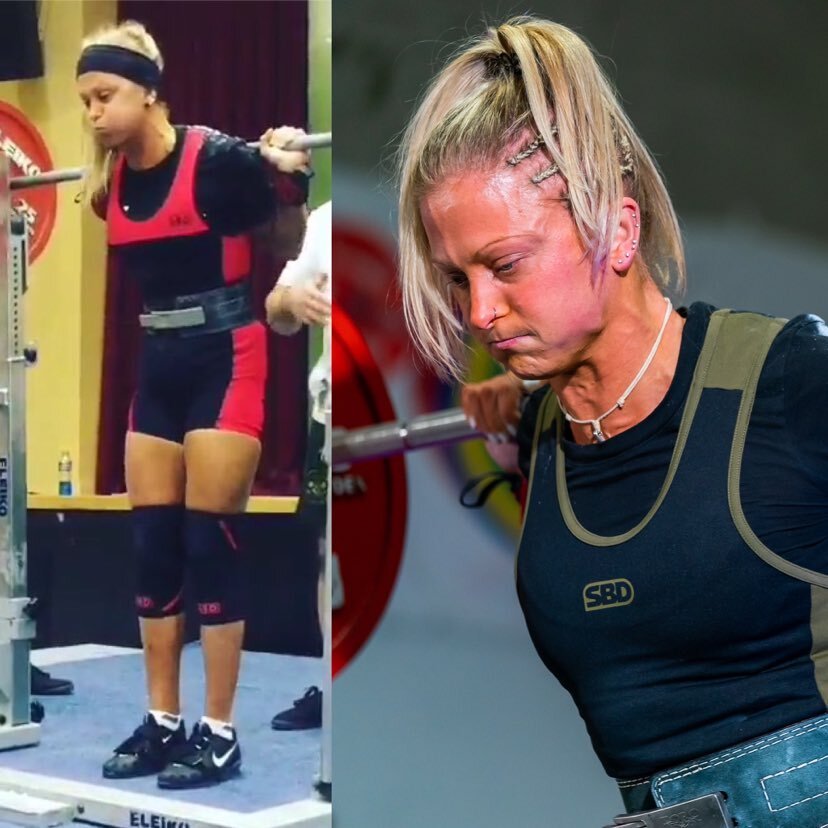
In 2015, I put up a 347.5kg total. It was my first year of powerlifting and my second competition. Five years later in 2020, I finally registered a new PB total of 350kg. There were significant ups and downs across that five year period: great training blocks, horrendous ones, weight gain and loss, success in some lifts, major regression in others, injury and recovery, breaks from competition and breaks from structured powerlifting training altogether.
I am in hindsight appreciative of this experience: I’ve matured considerably as a lifter and just in general; powerlifting has taken up a really nice spot in my life among numerous other activities and pursuits that are meaningful to me; I’m a more compassionate coach and training partner. I’ve learned a number of lessons that I believe are immensely valuable for anyone experiencing their own seemingly endless training plateau.
So, on top of that whopping 2.5kg that I slapped on my total, here are some valuable insights I gained over this recent five year period.
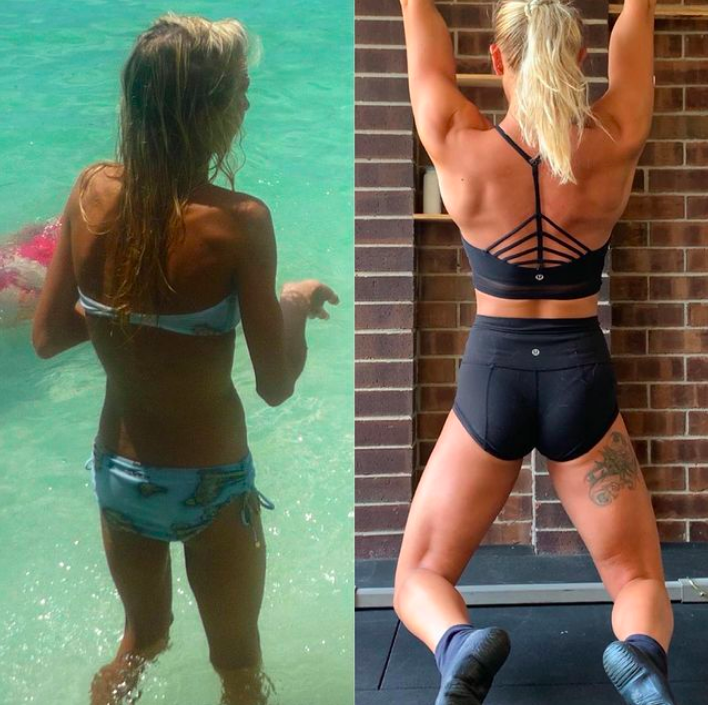
You want bigger glutes, you want more muscle tone, you want a bigger squat and you want to look like the fit girls and guys on the gram? There’s definitely a few factors feeding into why you haven’t yet achieved these things and one of those factors is very likely your intense aversion to weight gain.
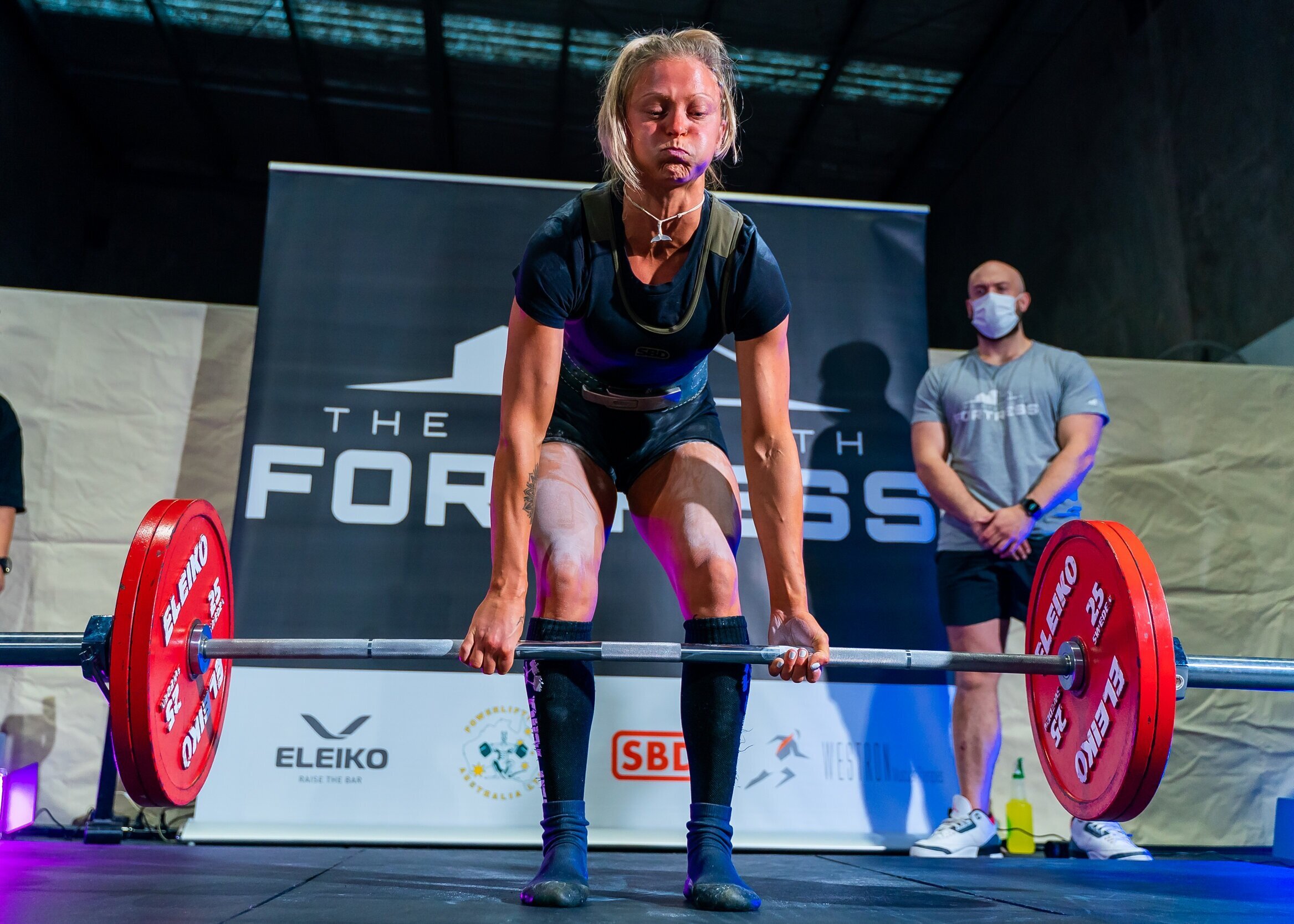
Despite that fact that I compete in powerlifting very recreationally, I do take my preparation and performance quite (very) seriously. I really love powerlifting as an avenue of self improvement. While the objective goal is more weight on the bar, to me the more meaningful goal is becoming a better person in the pursuit of that — and that comes from self reflection and holding myself to a consistently high standard.
After each comp, I send my coach a debrief on everything I thought I did well, could do better, what went well, ideas I have, things I want to do for fun, etc. It’s positive for me personally in getting some closure on the day and identifying areas and means for improvement, but it also gives coachy guidance too. He knows where I want to go, what I’m willing and not willing to do to get there and demonstrates that I want to collaborate with him.
In this article I share here how I personally reflect on my competition preparation and performance in the hope that it may prompt some thought in you on how to get more out of your training and competition experiences.

If there is one thing that gym-goers do really well, it’s major in the minors. You know, have a $500 supplement stack but squat high. Have carbs and protein within 15 minutes of every training session but eat nothing more than a tall latte and a sushi roll outside of that. Wear blue light glasses before bed every night because #recovery but also take a week off training every month for the same reason.
So much time, money and effort is wasted on misguided training and nutrition interventions.
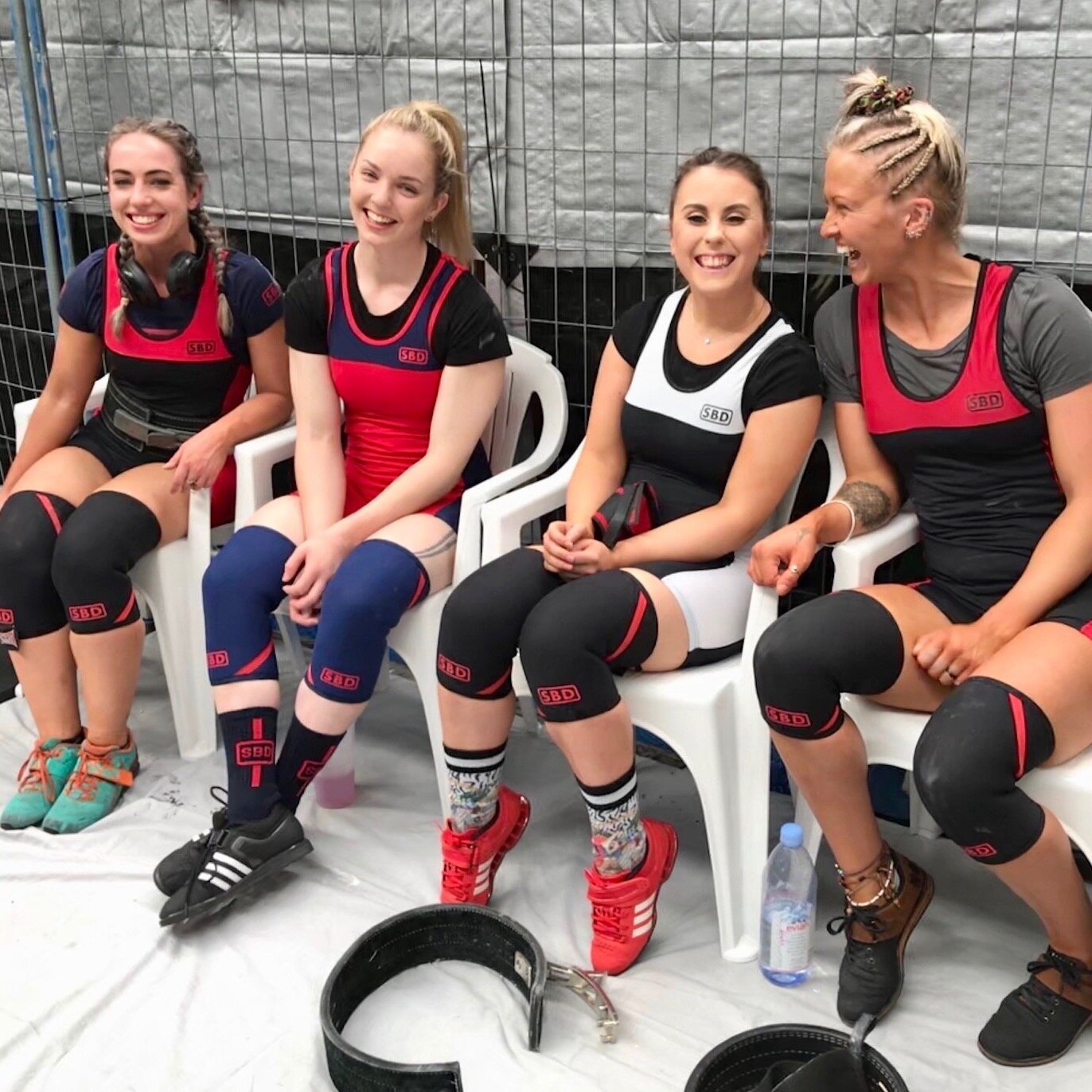
Buying equipment/apparel for a new hobby can be a little daunting. Like, you don’t want to be that guy with all the gear and no idea. But also, should you have it? Would you be safer? Would you lift better? Would lifting be more enjoyable for you? More comfortable? Would you be stronger? Would you train better? Is your coach going to think you’re a moron for asking? (lol, no.)
I’ve put this article together as a little crash course in individual equipment you might like to use in powerlifting training. I talk about heeled shoes, belts, knee sleeves, wrist wraps, competition suits etc, covering what they do, why you might wear them and how you know if you’re ready for them.